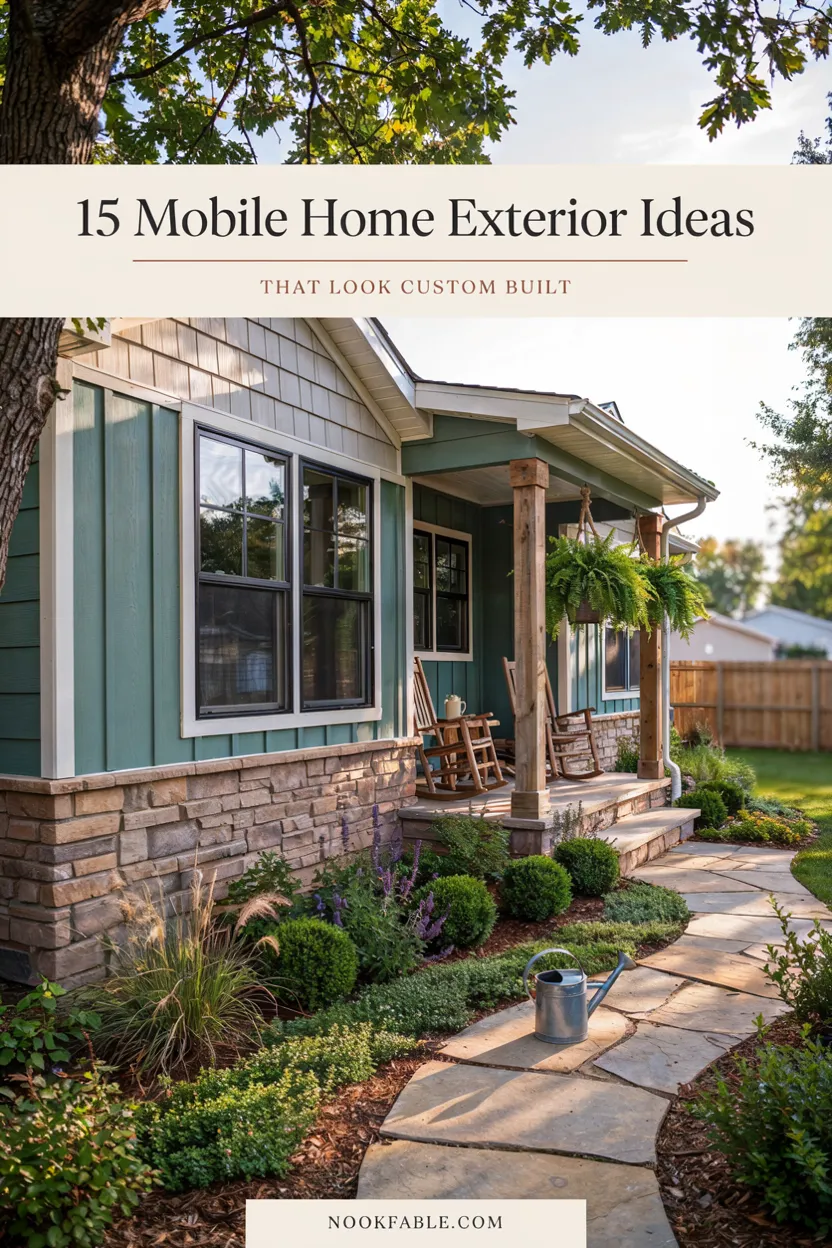
15 Mobile Home Exterior Ideas That Make It Look Like a Custom-Built Real House
Most people assume a mobile home always has to look like a mobile home, but the outside is where that idea falls apart the fastest. A few thoughtful changes to the roofline, siding, skirting, and entry can completely shift how permanent and custom your place feels from the curb. Years ago, I styled a rental single-wide for a photo shoot and watched a coat of warm paint and a real porch turn it into the property everyone wanted to book. That experience stuck with me.
Save the ones that match your style and start with the change that bothers you most. I have styled more manufactured homes than I can count, and the exterior is always where the biggest double-takes happen.
Swap Flat Skirting for Faux Stone
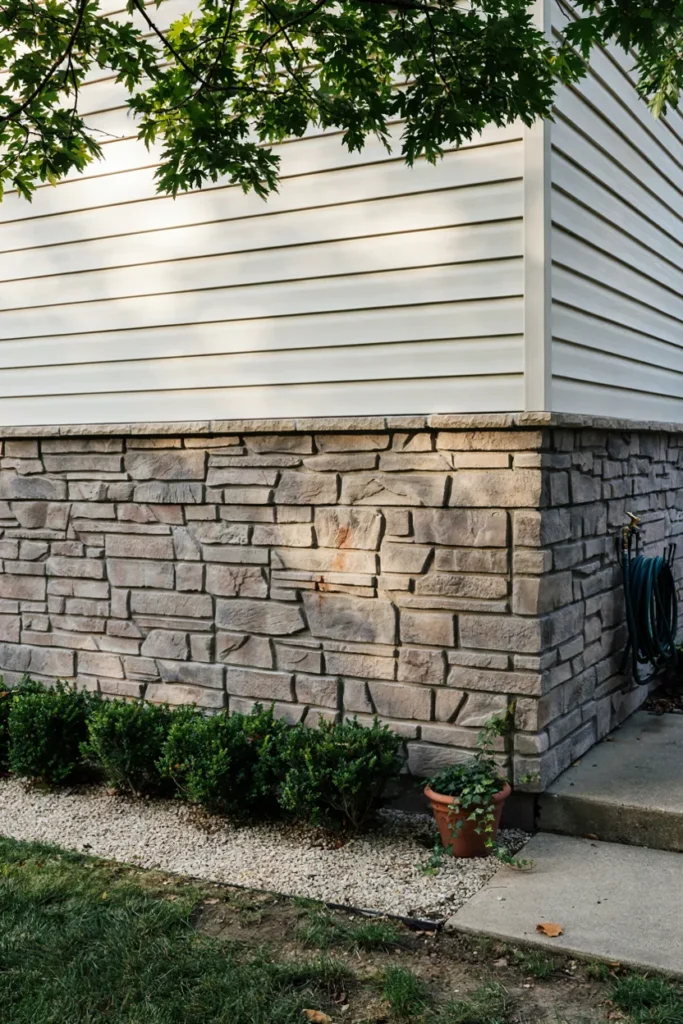
Nothing gives a mobile home away faster than the gap and thin panels around its base. Covering that space with faux stone skirting grounds the whole structure and makes it read like it sits on a real foundation. The stone adds weight, shadow, and texture right where the eye expects solidity, so the home instantly looks heavier and more permanent. It is one of the highest-impact changes you can make in a single weekend.
To recreate it, choose lightweight faux stone panels in a warm blended tone that complements your siding rather than fighting it. Install them over a simple furring frame so air still moves underneath, and finish the top edge with a clean trim board for a tailored line. Gray-tan blends feel timeless, while charcoal reads more modern. Budget tip: start with the most visible front section first, then wrap the sides later as funds allow.
Build a Real Covered Porch
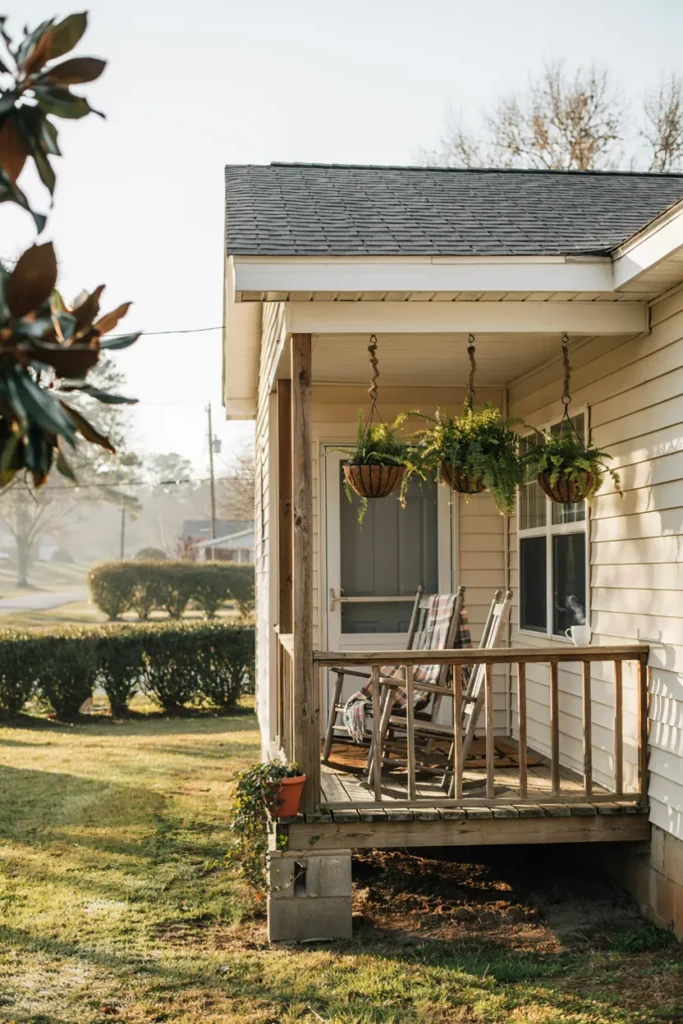
A genuine covered porch does more than shelter your door; it reshapes the entire front of the home. Suddenly there is depth, a roofline that steps forward, and a shaded pocket that reads as intentional architecture. Site-built houses almost always have this layered entry, so adding one erases the flat, tacked-on look mobile homes often carry. It also gives you a real place to sit, which makes the home feel lived-in and loved.
Recreate this with cedar or treated posts, a simple gabled or shed roof that ties into the existing eave, and painted decking that matches your trim. Keep the palette tight, a soft greige floor, black hardware, and one bold door color for contrast. Add a lantern sconce on each side and a single oversized planter for polish. If a full build is out of reach, a smaller portico over just the door delivers much of the same custom effect.
Paint With a Rich, Grounded Color
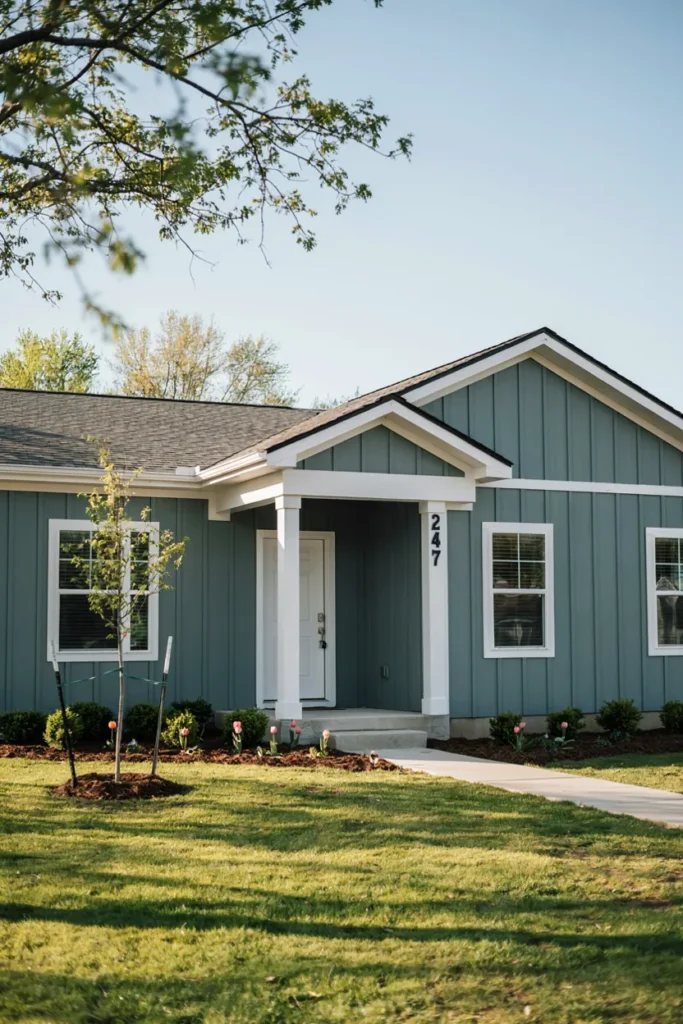
Pale, chalky factory colors are a dead giveaway, and swapping them for a rich, grounded hue is the cheapest way to look expensive. Deep olive, warm charcoal, and muted navy all read as custom design choices rather than default siding. A saturated body color paired with crisp trim creates the kind of contrast you see on architect-designed homes, and it instantly makes the exterior feel considered. Color also changes how light plays across the walls through the day, so the home looks intentional from morning until dusk.
Start by cleaning and priming the siding so the new color adheres and lasts. Choose a deep, muted body shade, then frame it with a bright, clean trim to sharpen every edge. Painting the window frames a darker tone, like soft black, makes them look built-in rather than snapped on. Use exterior-grade paint rated for your climate, and test a large swatch in both morning and evening light before committing to the full house.
Add Board-and-Batten Accents
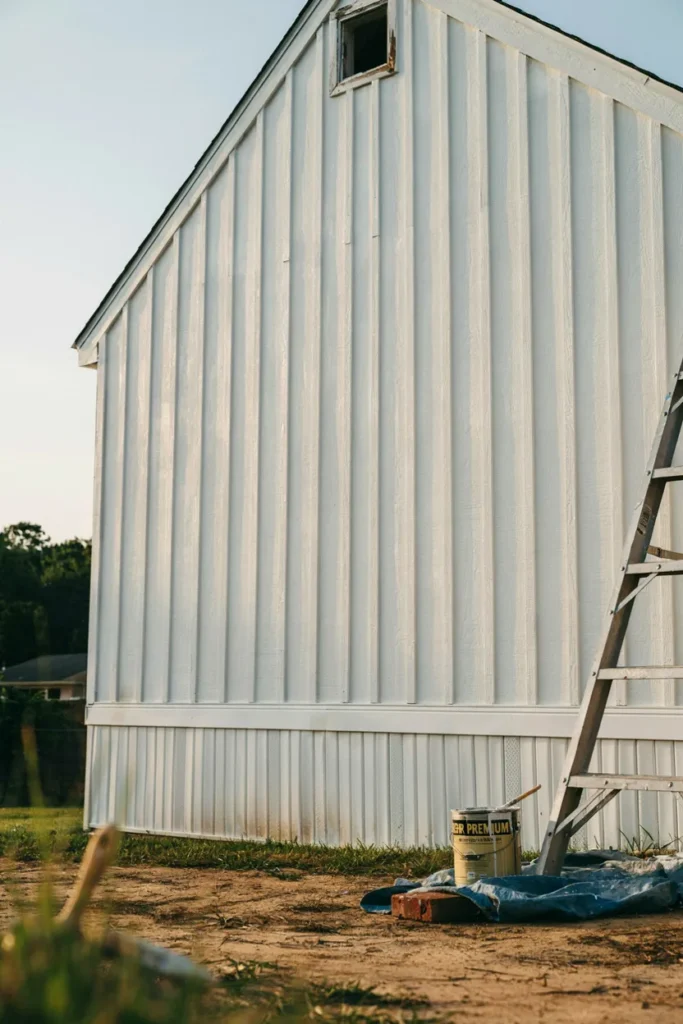
Endless horizontal siding is one of the strongest signals of a manufactured home, and the eye picks up on that repetition immediately. Breaking it up with vertical board-and-batten on the gable ends or around the entry introduces the mix of textures that custom builders use constantly. That single change adds instant farmhouse character and tricks the eye into reading the facade as thoughtfully designed in sections rather than stamped out in one long, uninterrupted strip. It brings welcome variety and a real sense of craftsmanship to the whole front.
Recreate this with lightweight fiber-cement or PVC battens spaced evenly over a solid backer board, then paint everything one clean color for a crisp, cohesive look. Concentrate the effect where it counts most: the front gable, the porch wall, or the section around your door. Warm white keeps it timeless, while a soft sage feels fresh. Budget tip: even one accented gable end changes the whole silhouette, so you do not need to wrap the entire home.
Upgrade to Architectural Roofing
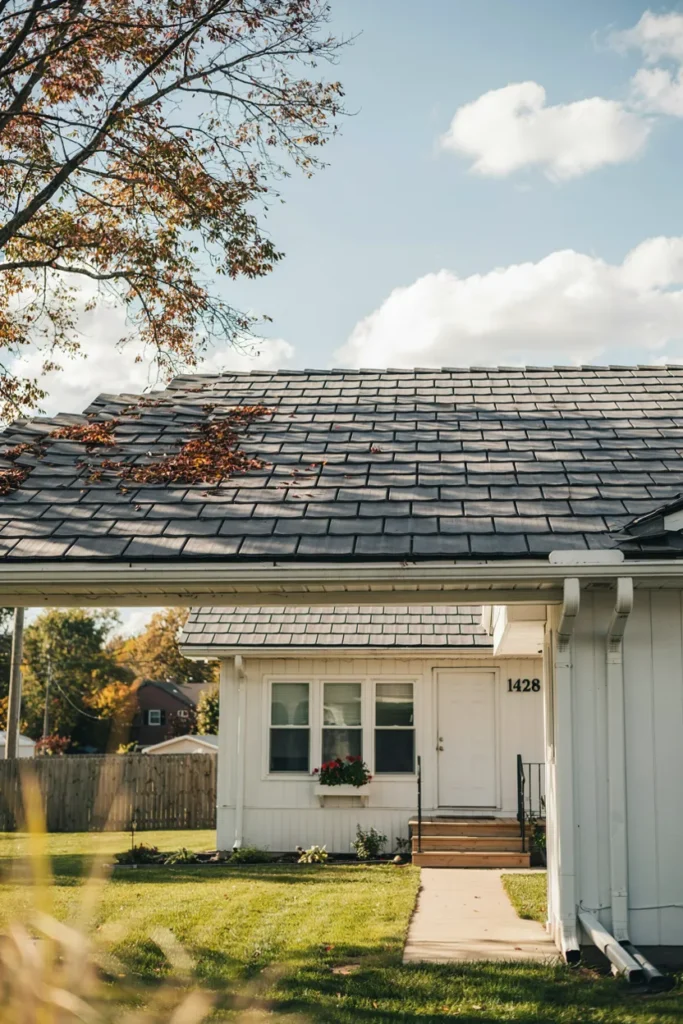
The thin metal or low-profile roof many mobile homes ship with looks flat and temporary from the street, and it quietly undercuts every other upgrade you make. Switching to dimensional architectural shingles adds visible depth and shadow, the exact detail that makes site-built roofs look substantial and expensive. Pair that with a slightly extended eave and suddenly the whole home gains the kind of protective overhang that signals a real, grounded structure. The roofline is the first thing the eye traces, so getting it right pays off everywhere.
To recreate the look, have architectural shingles installed in a weathered charcoal or warm brown that flatters your body color. Ask about extending the eaves even a few inches, since that overhang casts a shadow line that reads as permanence. Add clean white fascia and dark gutters to frame the roof crisply. This is a bigger investment, so plan for it as a milestone upgrade, but it delivers one of the most convincing custom-home transformations on this list.
Frame the Windows With Trim and Shutters
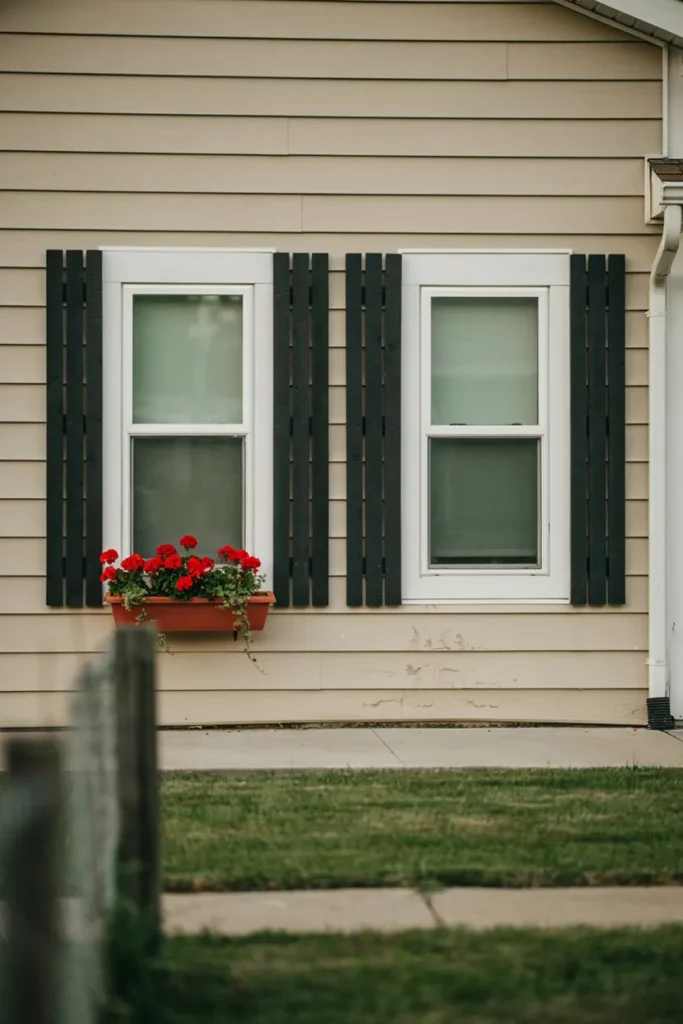
Bare windows sitting flush in the siding are a subtle but constant tell that the eye registers even from a distance. Wrapping them in wide trim and adding shutters gives each window a proper frame, and framing is exactly what makes site-built windows feel deep and intentional. The added dimension breaks up long, flat walls, creates a pleasing rhythm across the facade, and makes the whole home look far more finished and cared for from the road. It is a small detail that reads as real craftsmanship.
Recreate this with wide craftsman-style casing around each window and a slim drip cap on top for that custom detail. Add real-proportion shutters sized to actually cover the window if closed, since undersized shutters look fake instantly. Keep trim bright and shutters in a grounding tone like black or deep green. A simple window box beneath one or two front windows layers in charm. Precut PVC trim kits keep this project affordable and easy to install yourself.
Create a Defined Entry Path
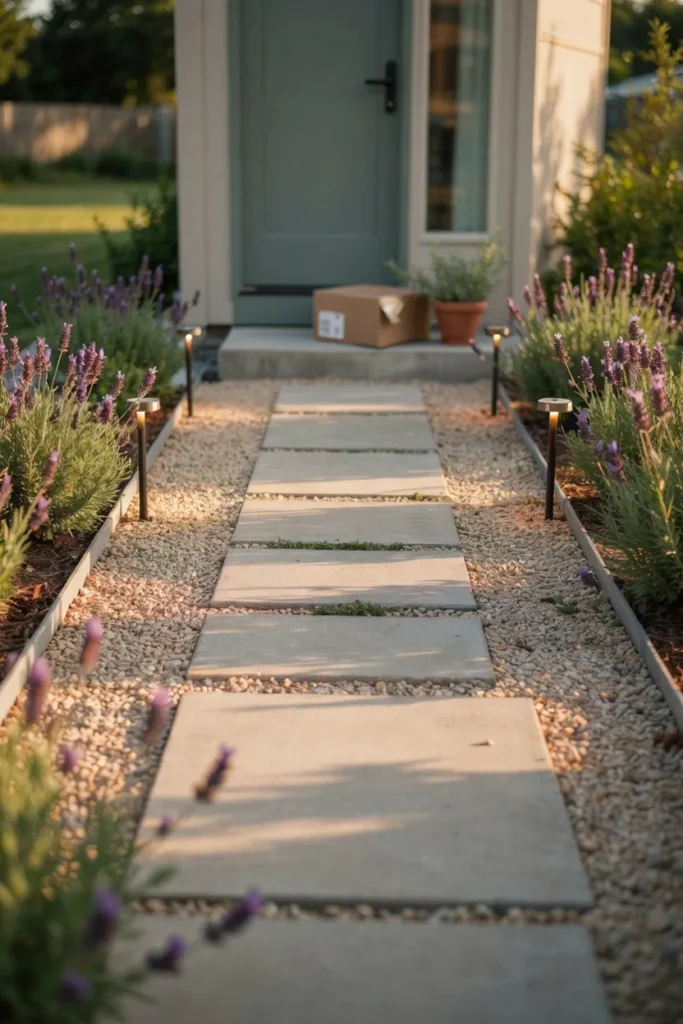
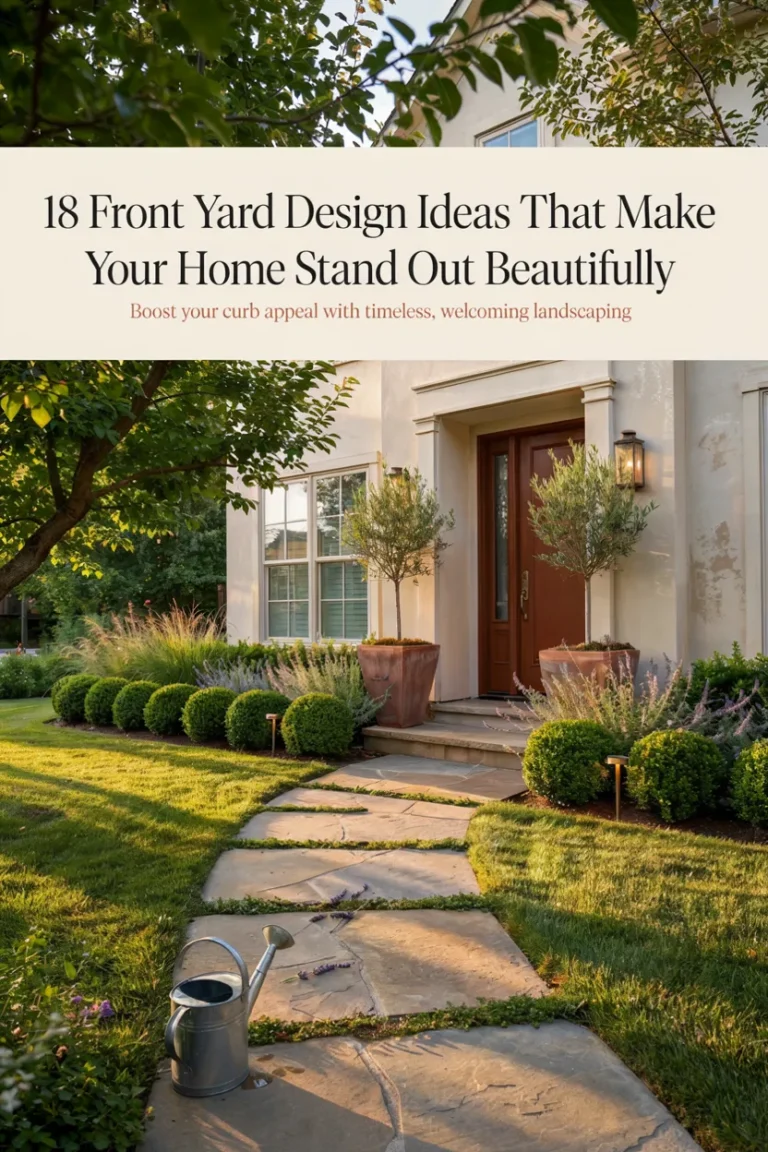
A patch of bare dirt or a straight concrete slab running to the door makes even a beautiful home feel unfinished and temporary. A defined path signals that someone designed the approach, and that sense of intention is exactly what custom homes always convey. A gently curved walkway framed by plantings draws the eye toward the entry and gives the front yard a sense of order and welcome that changes the entire first impression. It quietly tells visitors this is a real, well-loved home worth arriving at.
Recreate this with pavers or flagstone laid in a soft curve rather than a rigid line, since curves feel more designed and generous. Edge the path with low evergreen shrubs and a few ornamental grasses for movement, then tuck in solar lights to make it glow at night. Warm-toned pavers pair well with most siding colors. Budget tip: gravel bordered by steel edging delivers a similar tailored look for a fraction of the cost.
Install a Statement Front Door
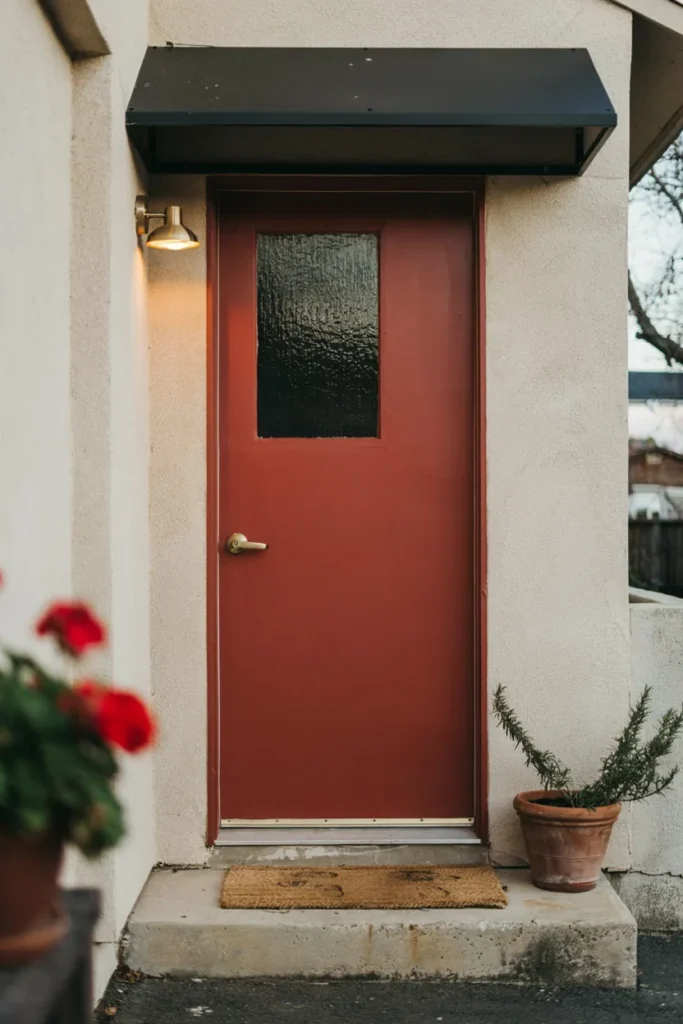
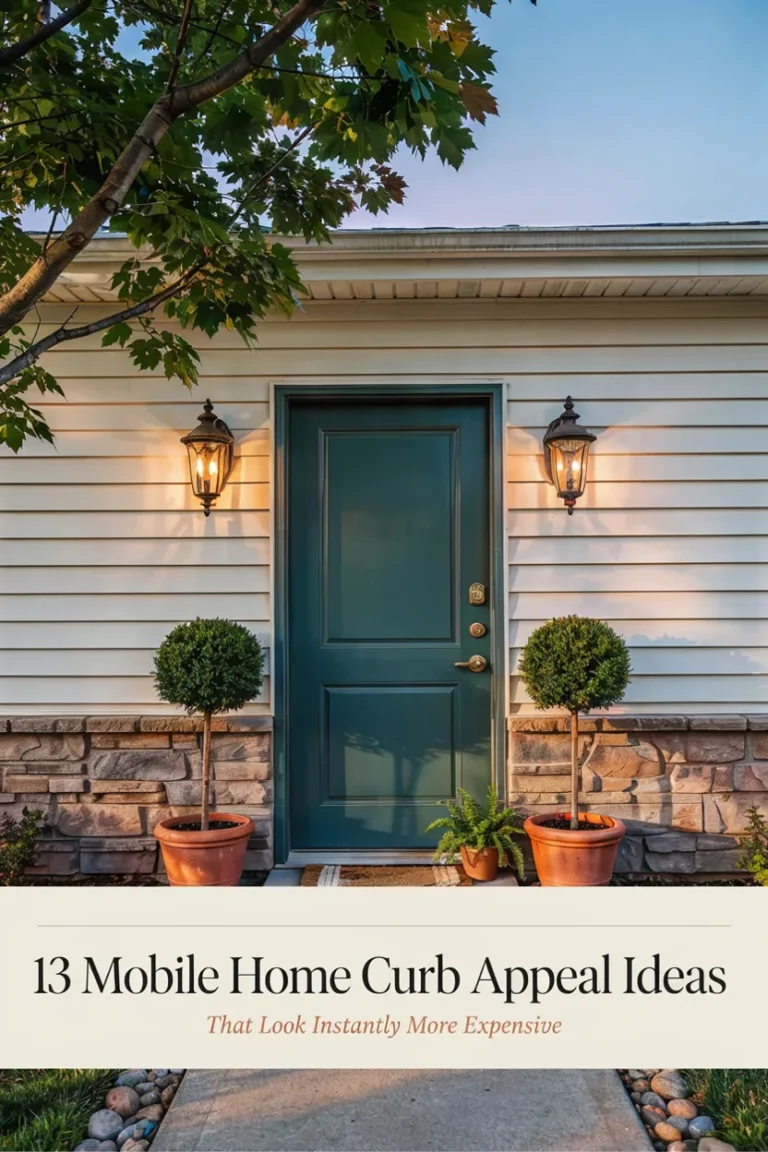
The narrow, hollow doors that come standard on most mobile homes read as flimsy the very moment you see them. Replacing yours with a solid, well-proportioned statement door changes the focal point of the entire facade and lifts everything around it. A door with real weight, quality hardware, and a confident color becomes the feature everyone notices first, pulling attention toward good design and away from any manufactured details. It sets the tone for the whole home and makes the entry feel genuinely welcoming and intentional.
Recreate this by installing a solid-core or steel exterior door sized correctly for your opening, then painting it a color that pops against your siding, such as terracotta, deep teal, or classic black. Upgrade the handle set to brushed brass or matte black for an instant lift. Frame the door with clean trim so it looks set into the wall rather than surface-mounted. Flank it with tall plants in matching baskets to give the entry symmetry and a polished, custom finish.
Extend the Home With a Pergola
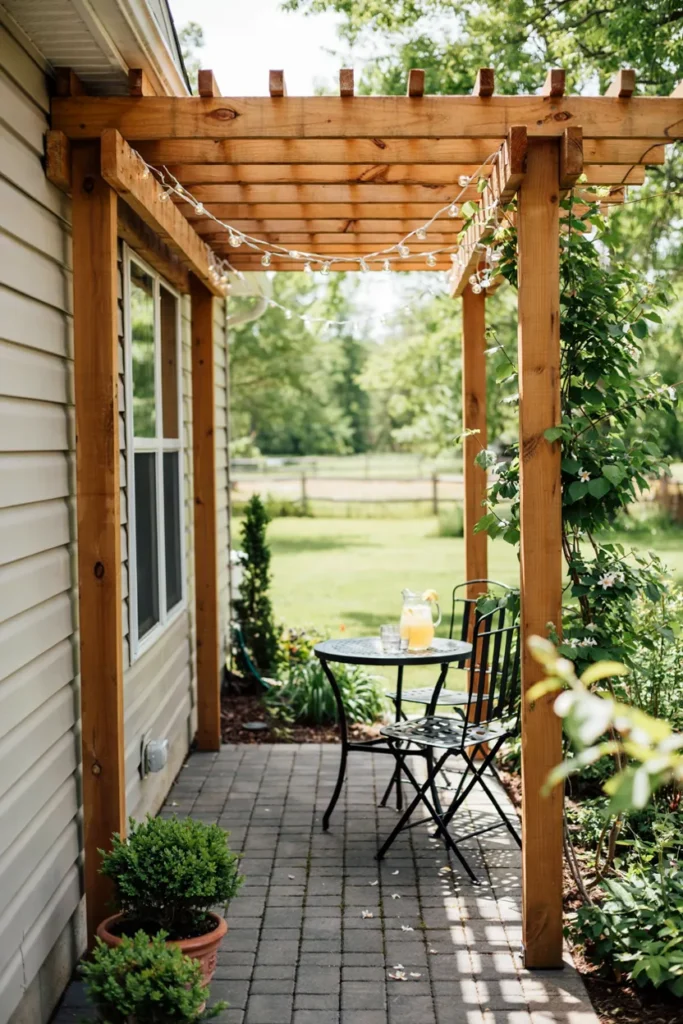
A pergola attached to the side or rear extends the footprint of your home visually and gently blurs the line where the structure actually ends. That seamless connection between building and outdoor room is a hallmark of custom architecture, and it makes a mobile home feel expansive and grounded rather than boxy. The overhead structure also adds welcome height and shadow, breaking up the low, flat profile that manufactured homes tend to have. It turns unused side yard into a destination that feels fully designed and lived-in.
Recreate this with a cedar or powder-coated aluminum pergola bolted securely to the home and set on posts with a small deck or patio below. Weave in string lights and add a couple of weather-resistant lounge chairs to make the space usable. Anchor the corners with potted trees like olive or citrus for a lush, grounded feel. Choose a stain that echoes your trim so the pergola reads as part of the home rather than a separate add-on.
Layer Foundation Plantings
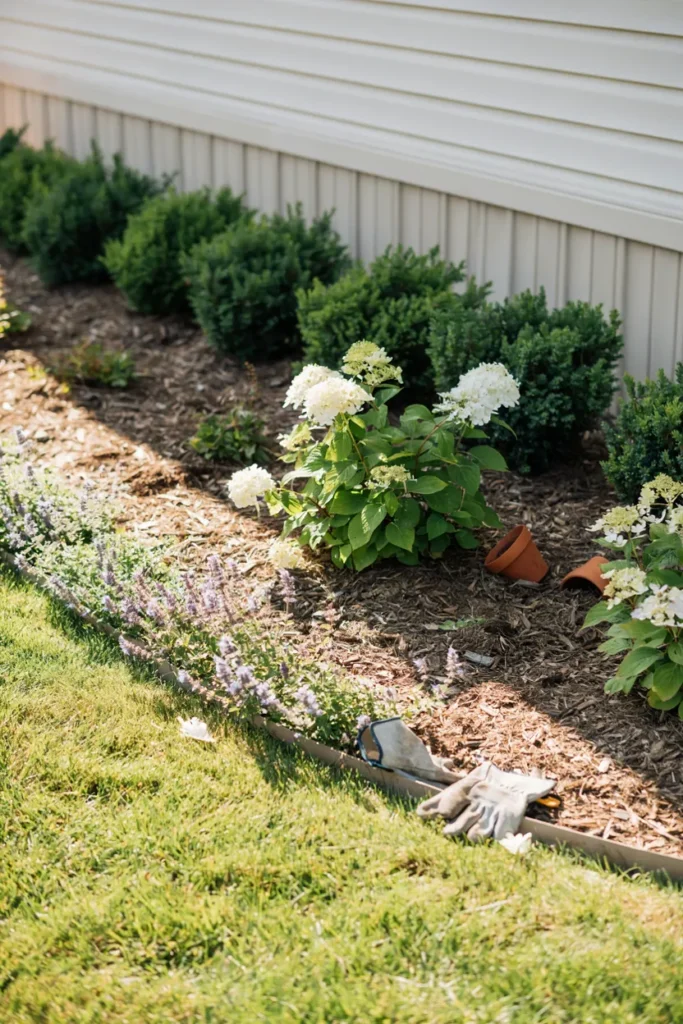
Plants are the softest, most forgiving, and most affordable way to blur a mobile home’s hard edges. Layered foundation beds hide exposed skirting, ground the structure to the earth, and add the established, rooted quality that new manufactured homes almost always lack. Greenery growing up around the base makes the home look like it has always belonged there, which is exactly the settled impression custom houses give without seeming to try. Over a season or two, those beds mature and the whole home starts to feel permanent and cared for.
Recreate this by layering heights: taller shrubs like hydrangea near the wall, mid-height grasses in front, and low groundcover spilling toward the lawn. Curve the bed edge instead of running it straight, and finish with a clean layer of dark mulch to tie everything together. Choose mostly evergreen or hardy perennials so the beds look full year-round. Budget tip: buy smaller starter plants and space them generously, then let them fill in over a season or two.
Add Exterior Wall Lighting
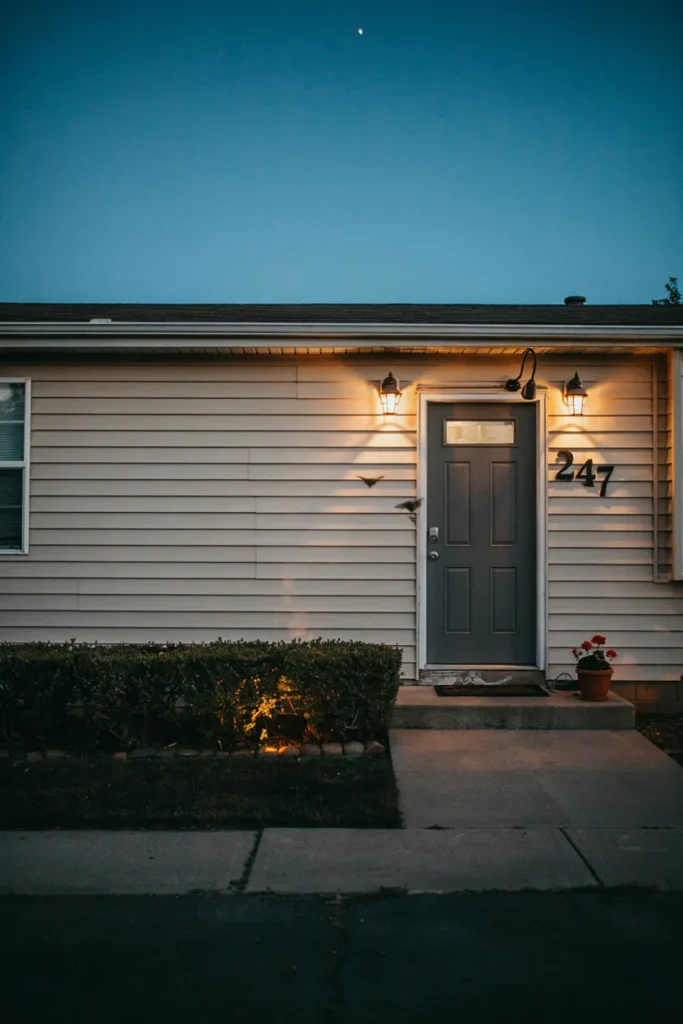
Good exterior lighting quietly signals quality, yet most mobile homes are badly under-lit with a single dim, builder-grade fixture by the door. Adding well-placed wall sconces creates warm pools of light that highlight texture and architecture after dark, the same way upscale custom homes glow invitingly at night. Layered lighting makes the exterior feel intentional and cared for, and it dramatically improves both curb appeal and everyday safety. The right glow can make even a modest home look polished, expensive, and genuinely welcoming after sunset.
Recreate this with matte black or bronze sconces flanking the door and spaced along the longest wall. Choose fixtures with warm-temperature bulbs, around 2700K, so the glow feels cozy rather than harsh. Aim for downward-washing light to graze the siding and reveal its texture. Add a small uplight at the base of a tree or corner plant for depth. Solar or plug-in options keep installation simple if you would rather avoid hardwiring right away.
Wrap Corners With Trim Boards
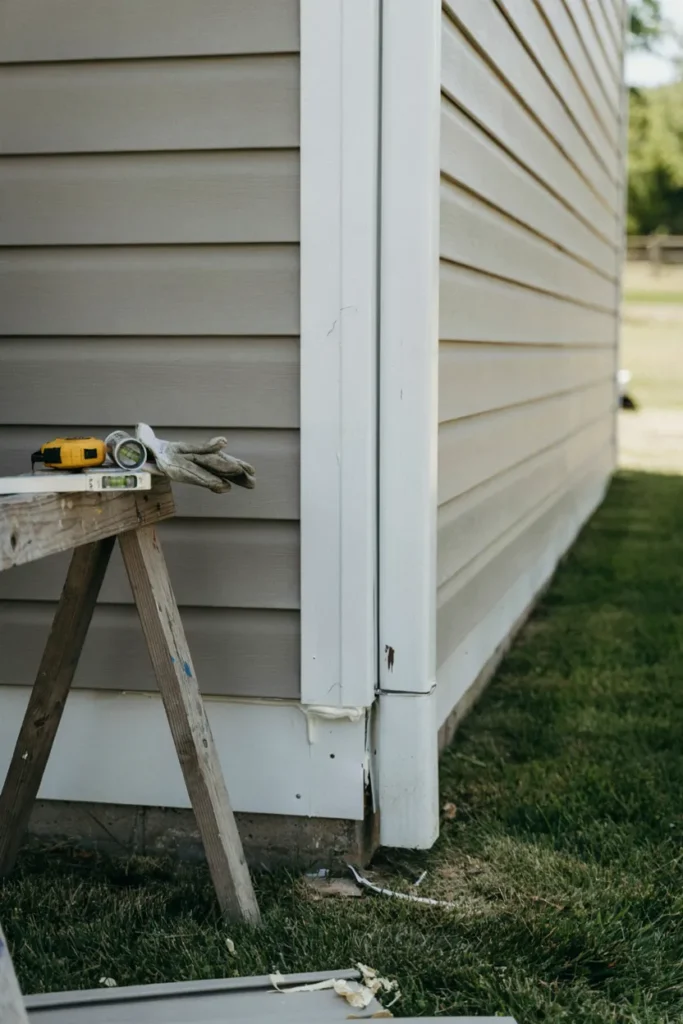
The thin, rounded corners of factory siding look flimsy up close, and they are one of the quieter reasons a mobile home instantly reads as manufactured. Adding wide, crisp corner trim boards gives the walls a defined edge and a reassuring sense of thickness, closely mimicking how site-built homes finish their corners. That single sharp vertical line makes the entire structure feel more solid, substantial, and tailored. It is the kind of small architectural cue the eye trusts, even when you cannot quite name what changed.
Recreate this by installing wide PVC or fiber-cement corner boards over the existing corners, painted in your trim color for clean contrast. Pair them visually with matching trim around windows and doors so the whole exterior feels like one coordinated design. Bright white against a dark body color creates the most striking effect, while tonal trim feels more subtle and modern. This is an affordable, high-impact detail you can tackle in a single afternoon with basic tools.
Introduce a Mixed-Material Facade
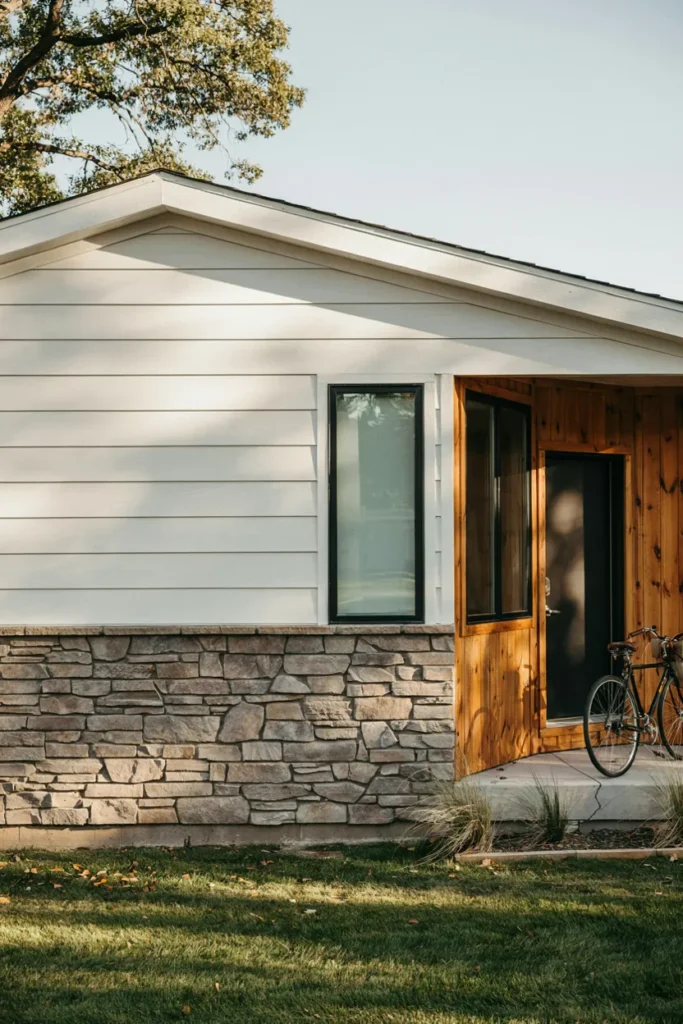
Custom homes rarely wear a single material from top to bottom, and that thoughtful variety is a big part of why they look genuinely designed. Introducing a second or third material, like a warm cedar accent panel or a low brick base, breaks the monotony of continuous siding and adds the richness the eye instinctively associates with higher-end construction. Even one well-placed section of contrasting texture can transform how expensive and considered the facade feels. It is a designer trick that punches far above its cost and effort.
Recreate this by cladding one focal area, often the entry wall or a front section, in natural or faux cedar planks, then grounding it with a low brick or stone base if your budget allows. Keep the palette cohesive so the materials feel intentional rather than random. Mount clean house numbers on the accent panel to draw the eye there. Because you are only treating a portion of the exterior, this look stays surprisingly affordable while delivering a strong custom impression.
Choose Dark, Modern Window Frames
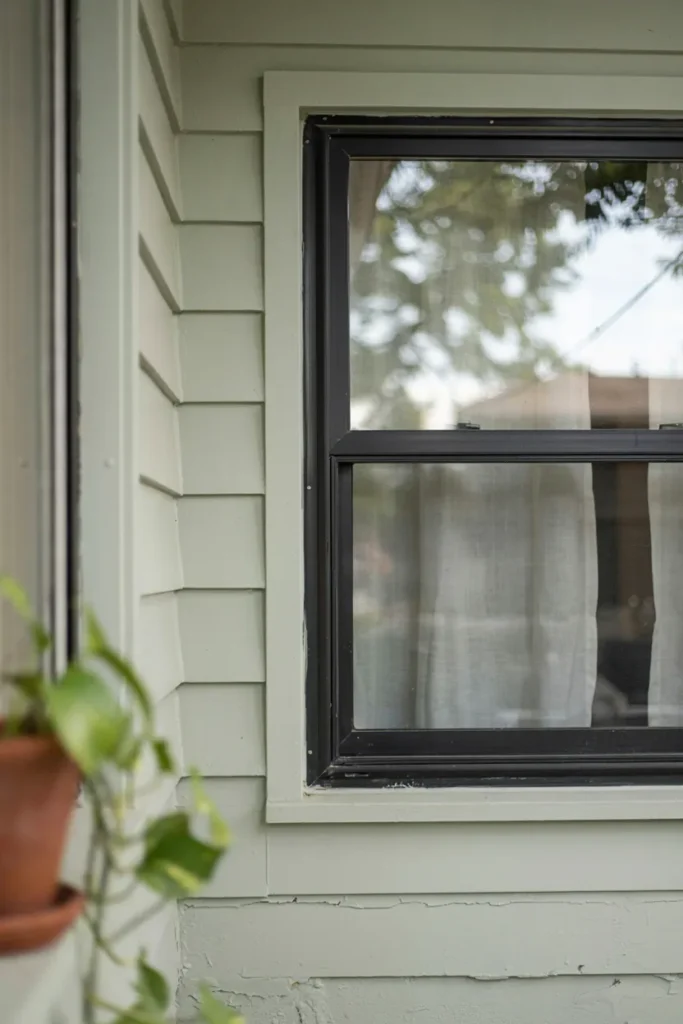
The white or almond window frames standard on most mobile homes tend to disappear into pale siding and quietly date the whole exterior. Switching to dark, modern frames instantly sharpens the facade and gives it the crisp, architectural quality found on brand-new custom builds. Black frames read as a deliberate, confident design choice and create striking contrast that makes every window feel like a considered feature rather than an afterthought. The result looks current and intentional, and it pulls the entire front of the home together beautifully.
Recreate this by replacing older units with black-framed windows, or, on a tighter budget, by carefully painting existing exterior frames with a durable exterior-grade product made for that surface. Surround each window with clean white trim so the dark frame pops even more. Slim, modern sightlines feel the most current, while grid patterns lean traditional. Pair the new frames with a soft, muted siding color to let the contrast do the heavy lifting and pull the whole look together.
Define the Yard With Fencing and Gates
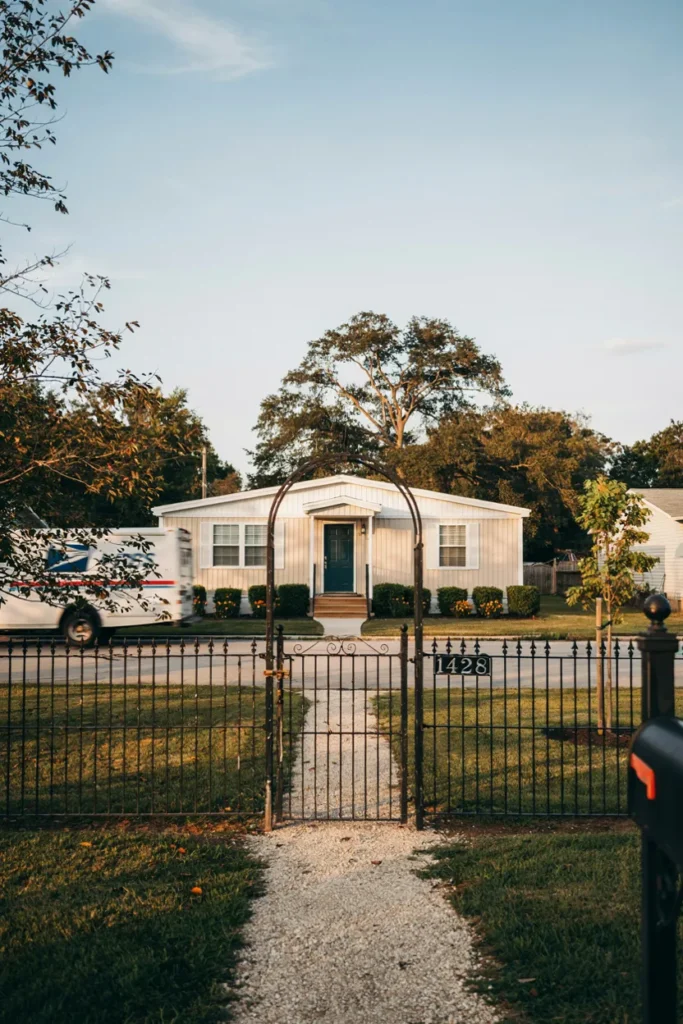
A defined yard boundary quietly reframes how permanent and rooted a home feels from the street. Adding a low fence and a real, well-built gate gives the property clear edges, a touch of privacy, and a sense of ownership that undefined open lots never convey. It also creates a designed foreground, so the eye reads the fence, the path, and the home together as one intentional composition rather than a house sitting alone on bare ground. That layered framing is precisely what makes custom properties feel complete.
Recreate this with a low horizontal-slat wood fence for a modern feel, or classic pickets for cottage charm, keeping the height welcoming rather than fortress-like. Match the gate to the fence and align it with your entry path so the approach feels deliberate. Stain the wood to complement your trim, and soften a post or two with climbing vines. Budget tip: fence only the front boundary first, since that is the view that shapes curb appeal most.
Conclusion
The beauty of these mobile home exterior ideas is that they stack. One change, like richer paint or faux stone skirting, already shifts how permanent your home looks, but layered together they completely rewrite the story your house tells from the street. You do not need a full renovation or a big budget to get there. Start with the detail that bothers you most, whether that is the bare base, the flat entry, or the dated windows, and build from there as time and money allow. Every upgrade moves the home further from manufactured and closer to custom, and much of that transformation comes from tricking the eye with trim, texture, lighting, and thoughtful landscaping. If any of these mobile home exterior ideas sparked a vision for your own place, save this to your Pinterest board so you can return to it as you plan. Small homes can absolutely feel comfortable, polished, and full of character. Your home is worth making beautiful, one intentional detail at a time.