13 Mid-Century Modern House Exterior Ideas That Look Instantly Iconic
Some architectural styles fade as trends evolve. Mid-century modern has done the opposite. More than half a century after its rise, its signature lines, effortless connection to nature, and understated materials still feel remarkably current. That’s partly because the style was never about decoration—it was about creating homes that felt calm, functional, and beautifully proportioned.
The most memorable mid-century exteriors aren’t necessarily the most expensive. They’re the ones where every detail works together to create a sense of balance. These ideas explore thirteen distinct interpretations of the style, each with its own personality, proving there’s more than one way to achieve that unmistakably iconic curb appeal.
1. The Butterfly Roof That Became a Mid-Century Legend
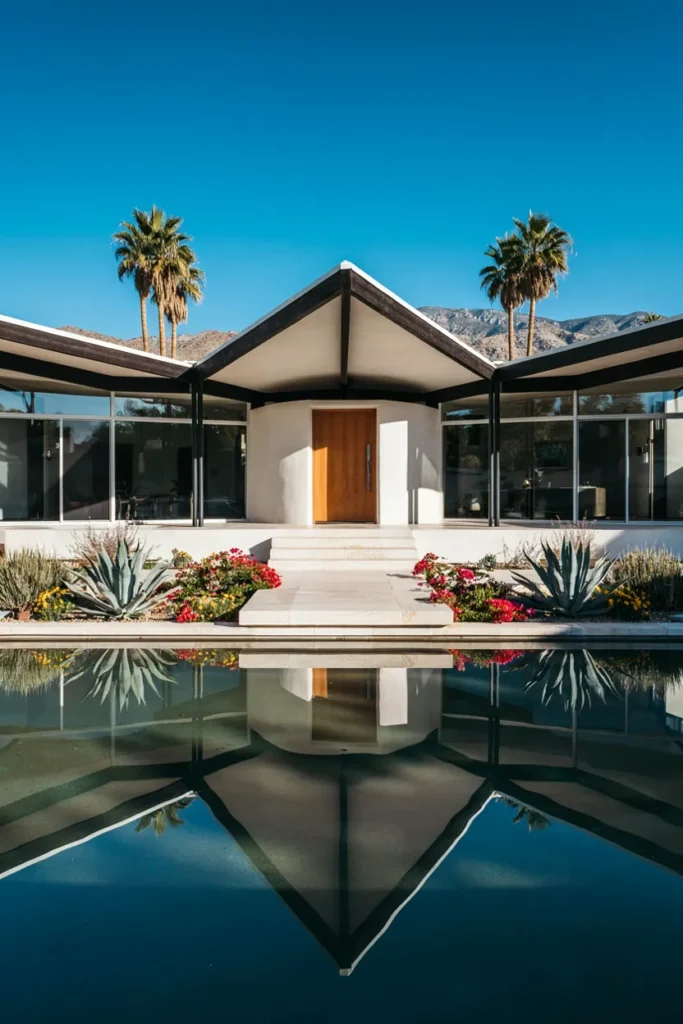
Long before open-concept living became fashionable, the butterfly roof was already redefining what a family home could look like. Instead of blending into the neighborhood, its dramatic V-shaped silhouette immediately draws the eye upward, creating a sense of movement that still feels futuristic decades later. The sweeping roof also allows generous walls of glass beneath it, filling interiors with daylight while strengthening the connection between the house and its landscape. Even today, few exterior features communicate authentic mid-century modern design as confidently as this unmistakable roofline.
2. Palm Springs Desert Modern With Resort-Like Curb Appeal
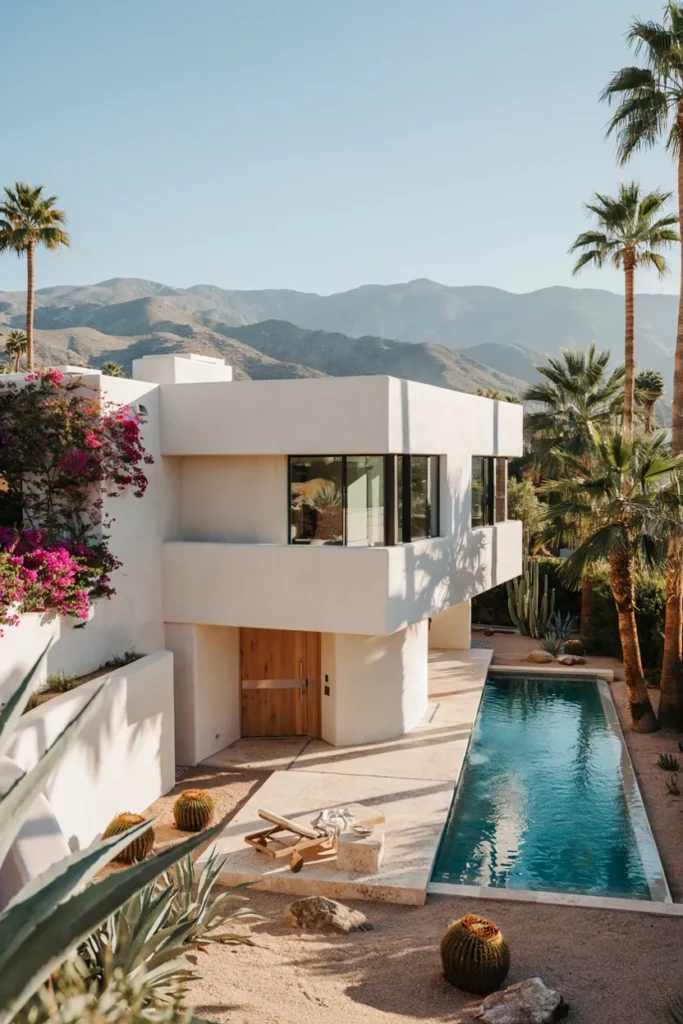
If one place perfectly captures the optimism of mid-century architecture, it’s Palm Springs. Homes here embrace sunlight instead of hiding from it, using bright stucco, clean geometry, and lush desert planting to create an atmosphere that feels equal parts relaxed and glamorous. Rather than relying on decorative details, the design lets bold proportions, carefully framed mountain views, and vibrant landscaping create the visual impact. It’s a style that feels like a permanent vacation, even from the sidewalk.
3. A Hidden Courtyard Entrance That Makes Every Arrival Feel Special
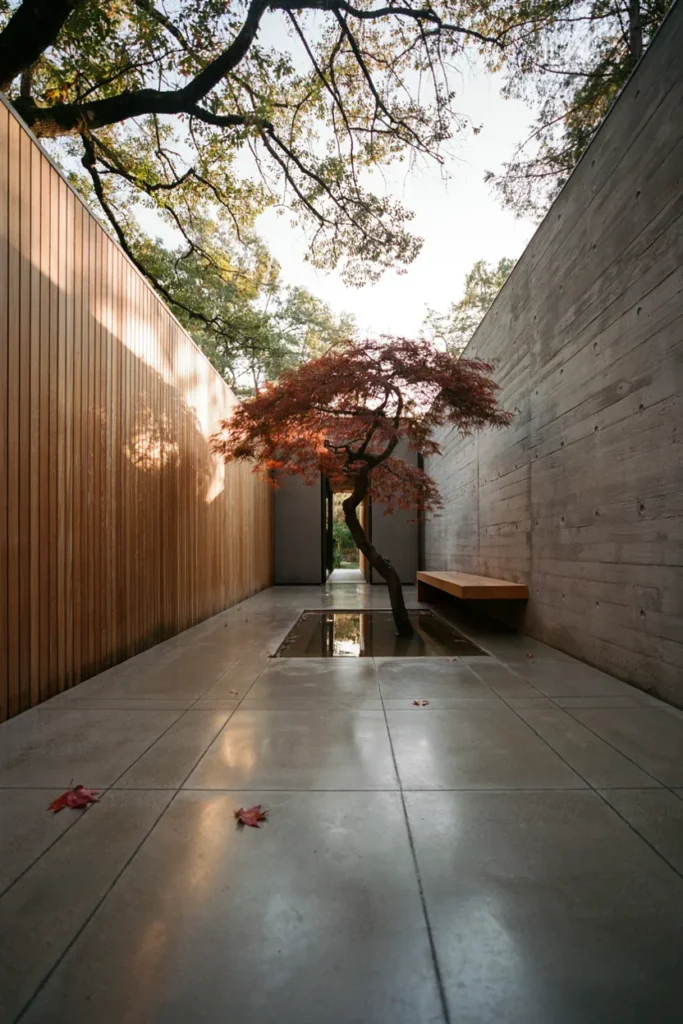
Not every iconic home reveals itself immediately. Many classic mid-century designs deliberately hide the front door from the street, replacing grand entrances with quiet courtyards that unfold gradually as you approach. That sense of discovery transforms a routine arrival into an experience. Sheltered by timber screens, greenery, and simple architectural walls, the courtyard becomes an outdoor room in its own right—a peaceful transition between the public world outside and the calm interior beyond.
4. A Moody Charcoal Exterior Balanced by Rich Walnut Details
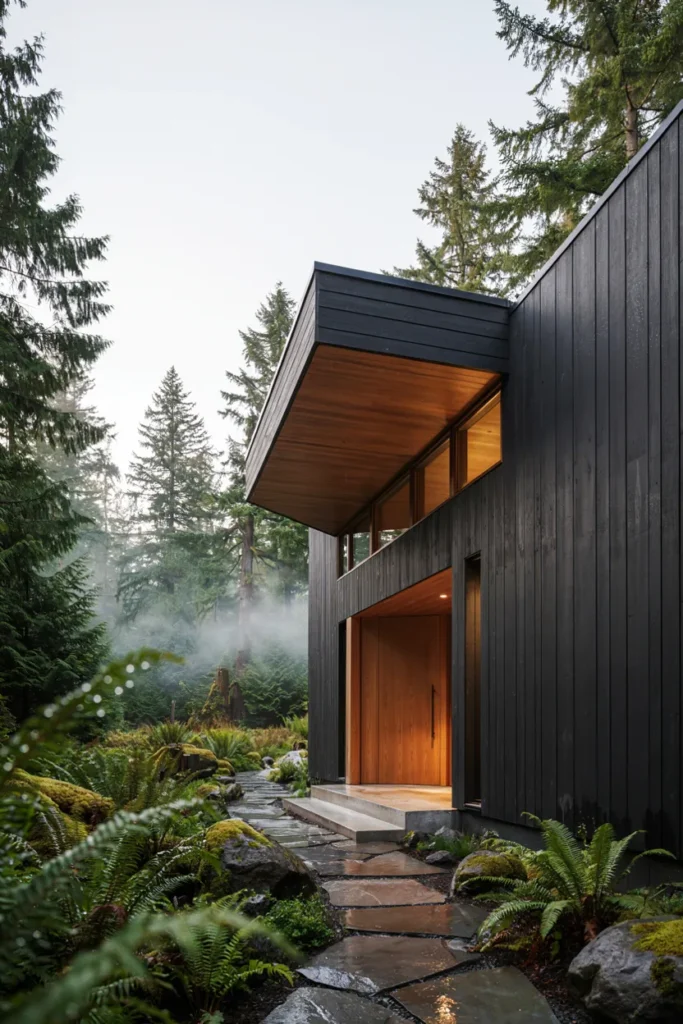
Mid-century homes don’t always have to be bright to make an impression. A darker palette can feel equally timeless when it’s balanced with natural wood that introduces warmth and texture. Deep charcoal siding allows walnut details to stand out with remarkable richness, while soft exterior lighting adds depth after sunset. The result is understated rather than dramatic—a home that quietly commands attention without relying on bold colors or excessive ornamentation.
5. A California Ranch With Endless Horizontal Lines
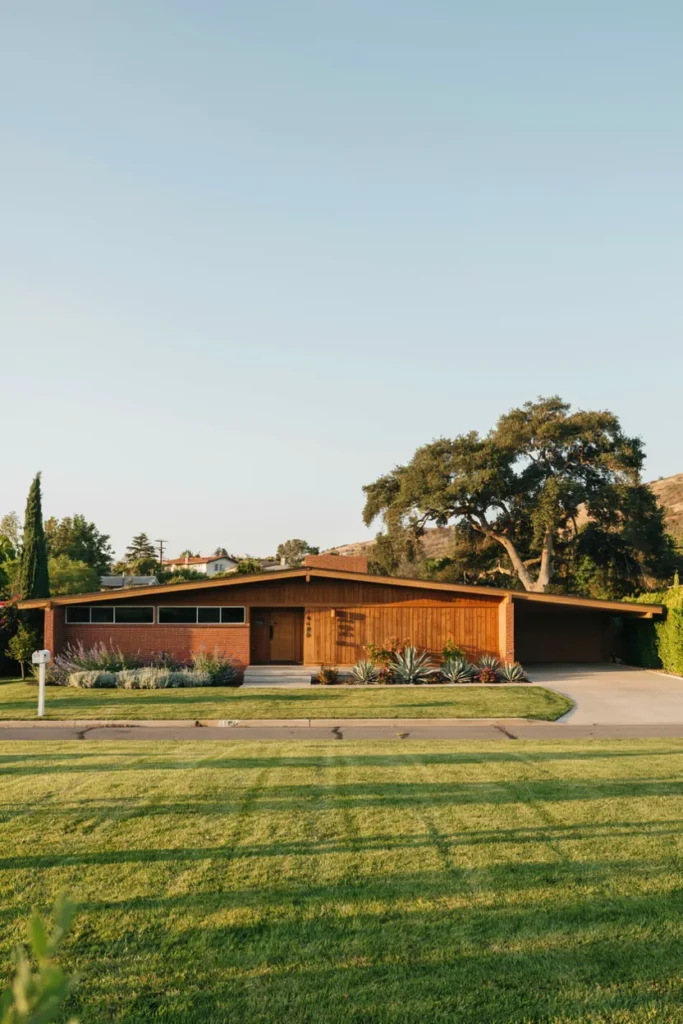
There’s something reassuring about a home that sits comfortably within its landscape instead of towering above it. Classic California ranch houses embraced long horizontal proportions that echoed the surrounding terrain, creating a feeling of openness and ease. Wide roof overhangs, continuous window bands, and low-profile forms make the architecture appear effortlessly grounded. Decades later, that same silhouette still feels remarkably modern because it prioritizes proportion over decoration.
6. A Breeze Block Facade That Brings Back Vintage Cool
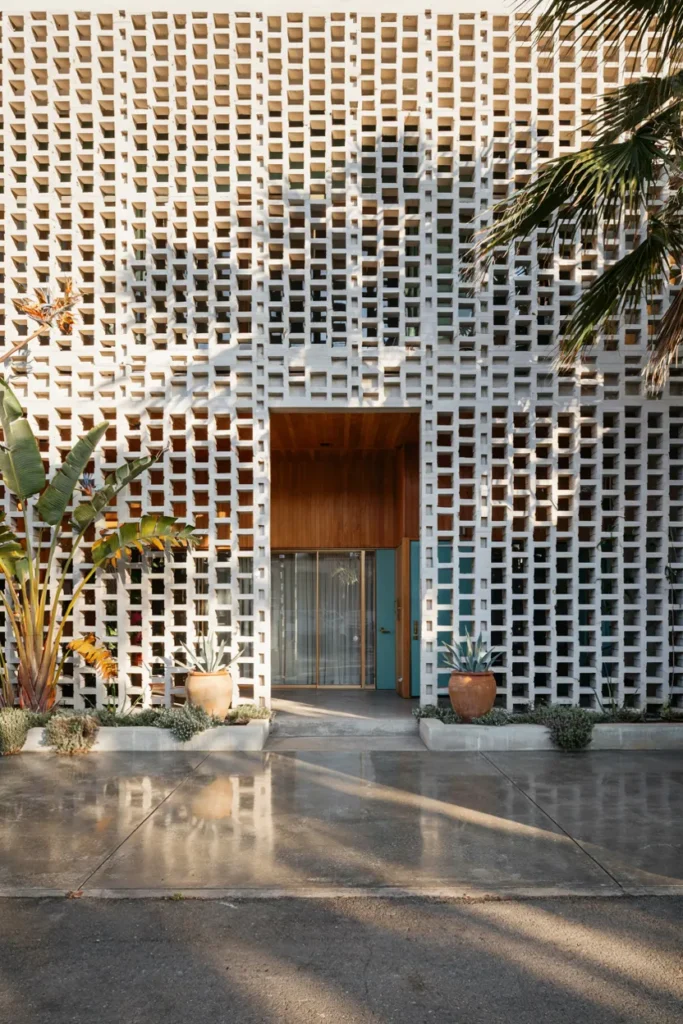
Drive through neighborhoods filled with original mid-century homes and one feature appears again and again: decorative breeze blocks. They aren’t simply nostalgic—they’re remarkably functional. The patterned concrete filters sunlight, introduces privacy, and gives an otherwise simple façade an unmistakable personality. Unlike solid walls, breeze blocks create a façade that constantly changes throughout the day as shifting sunlight paints geometric patterns across pathways and entry courts. Few details capture the optimistic spirit of mid-century architecture quite so effortlessly.
7. An Indoor–Outdoor Courtyard That Feels Like a Private Oasis
Some of the most beautiful mid-century homes don’t focus outward at all. Instead, they turn inward, wrapping their living spaces around a secluded courtyard where nature becomes part of daily life. From almost every room, the view remains calm and uninterrupted, replacing neighboring houses with greenery, water, and open sky. It’s a design philosophy that feels surprisingly contemporary, creating privacy without sacrificing natural light or the effortless indoor-outdoor connection that defines the era.
8. Clerestory Windows That Make the Roofline Float
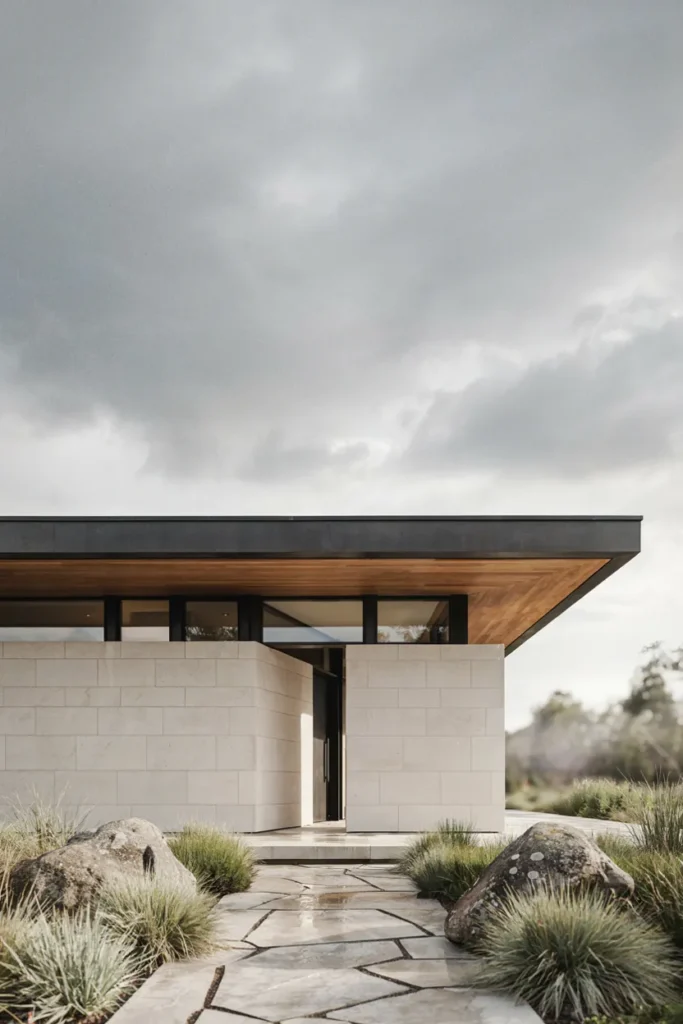
One of the cleverest tricks in mid-century architecture is making a substantial roof appear surprisingly light. Clerestory windows—a slim band of glazing tucked just beneath the roofline—allow daylight to flood inside while visually separating the roof from the walls below. From the street, the effect is subtle but unforgettable. The roof seems to hover above the home, giving the entire structure an elegance that feels both engineered and artistic.
9. A Monumental Stone Chimney That Anchors the Entire Design
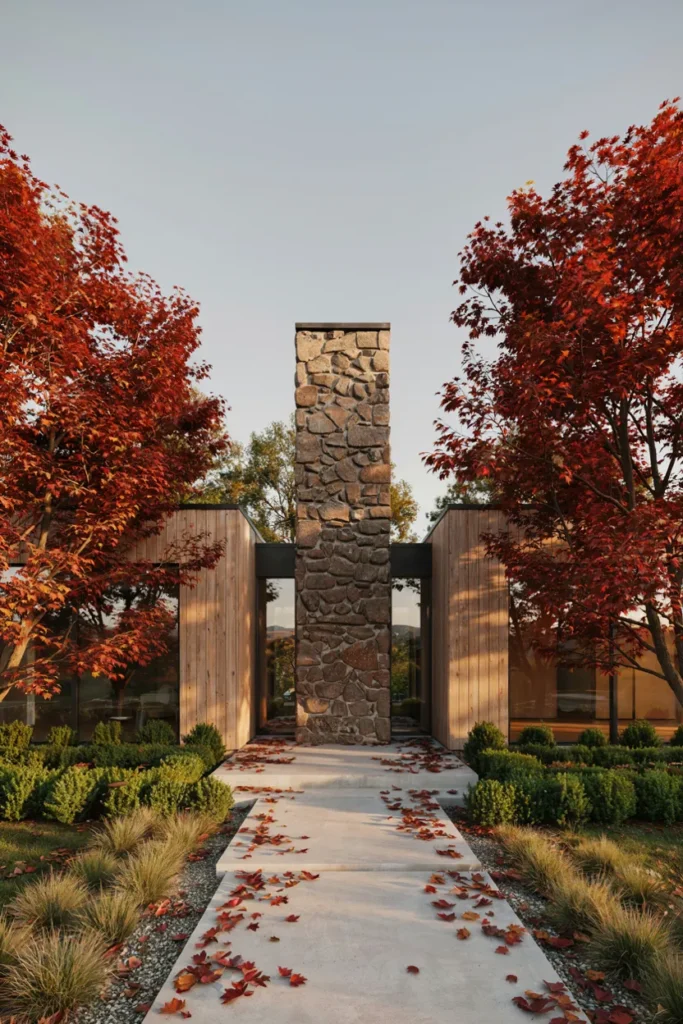
Even homes built around clean lines often need one element with visual weight. In classic mid-century architecture, that role frequently belonged to the chimney. Constructed from rugged natural stone, it grounded the home’s otherwise light composition while introducing texture and permanence. Instead of feeling decorative, the chimney acted like the home’s anchor—a strong vertical counterpoint to the long horizontal rooflines stretching out on either side.
10. A Scandinavian Take on Mid-Century Simplicity
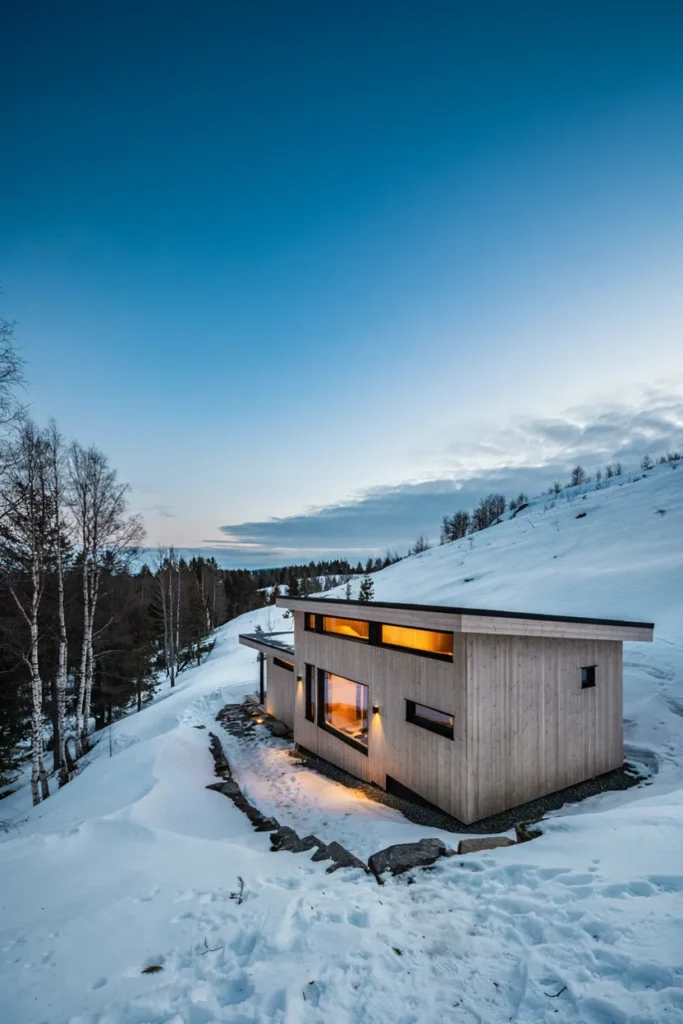
While many people associate mid-century design with California sunshine, the same principles translate beautifully to cooler climates. Scandinavian interpretations favor lighter timber, restrained color palettes, and simple geometry while maintaining the style’s emphasis on functionality and natural materials. Snow, birch trees, and soft winter light become part of the composition, proving that mid-century architecture isn’t tied to one landscape—it adapts gracefully wherever thoughtful design comes first.
11. A Sunken Front Patio That Feels Straight Out of 1960
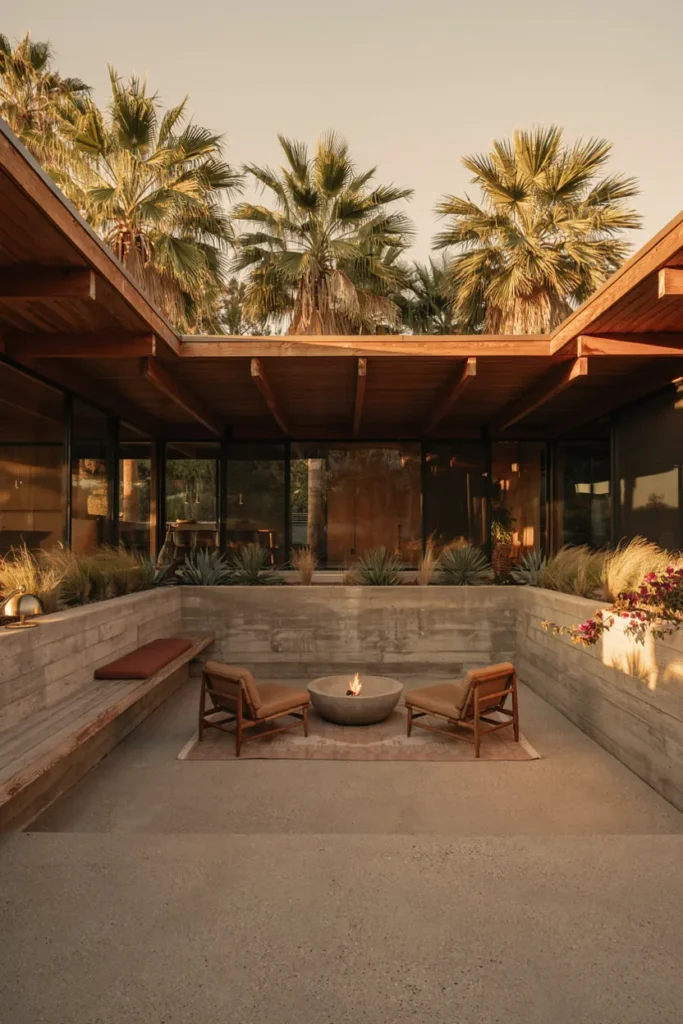
Long before outdoor living became a design trend, mid-century architects were experimenting with spaces that blurred the line between architecture and landscape. A sunken patio creates that feeling instantly. By lowering the seating area just a few steps below ground level, the space feels sheltered without being enclosed. The change in elevation naturally encourages conversation while giving the home a distinctly retro character that’s impossible to mistake for contemporary suburban design.
12. Tropical Modernism With Lush Green Layers
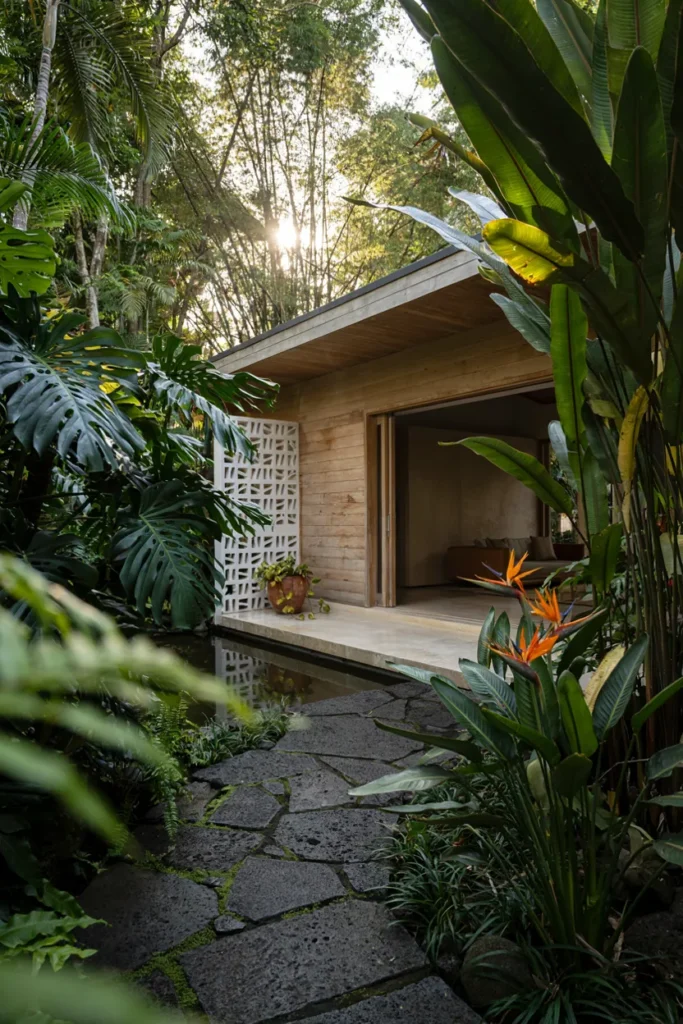
Not every iconic mid-century home sits in the desert. Across Hawaii, Florida, and tropical regions around the world, architects embraced the same clean lines while allowing lush vegetation to become part of the design. Instead of carefully framing a single view, these homes disappear into layers of greenery. Large leaves soften crisp architecture, filtered sunlight creates constantly changing patterns, and open walls allow fresh air to move freely through the home. The result feels less like a house sitting in a garden and more like architecture growing naturally within it.
13. Exterior Lighting That Turns Great Architecture Into Evening Art
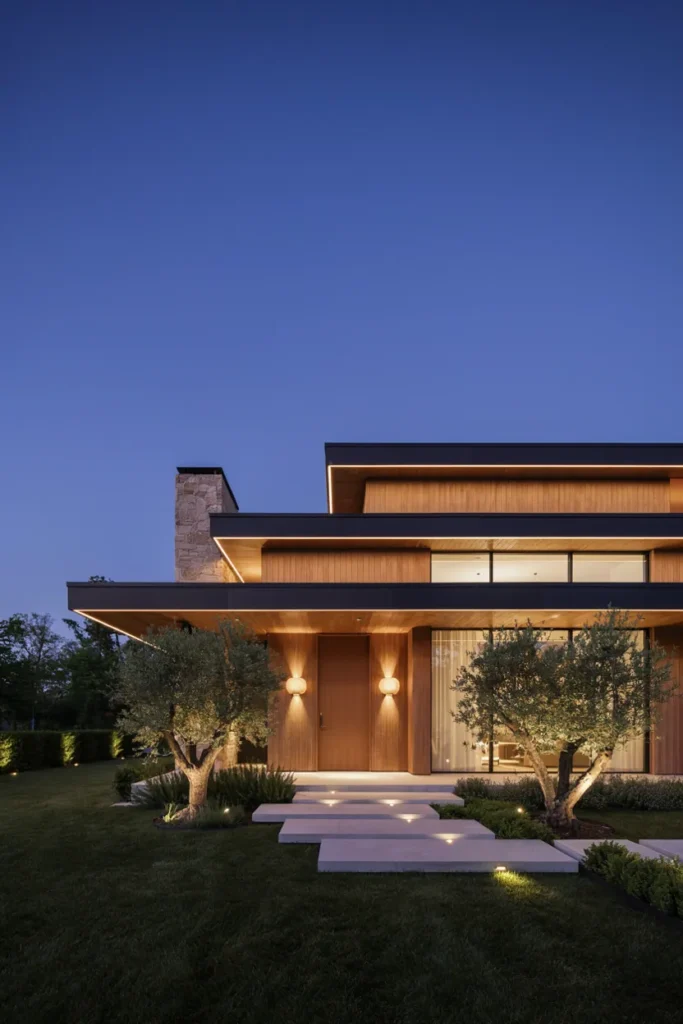
The most memorable mid-century homes don’t disappear after sunset—they become even more dramatic. Rather than flooding the exterior with bright security lights, thoughtful illumination highlights the architecture itself. A warm glow beneath the roofline emphasizes its clean geometry, soft uplighting reveals the texture of stone, and discreet pathway lights quietly guide visitors toward the entrance. When every light has a purpose, the house feels calm, sophisticated, and almost gallery-like after dark, proving that good architecture deserves to be appreciated around the clock.
Bringing It All Together
The enduring appeal of mid-century modern design has never been about nostalgia alone. It’s about restraint. These homes show that strong proportions, honest materials, and a thoughtful relationship with the landscape can create an exterior that feels just as relevant today as it did seventy years ago.
Whether you’re inspired by a dramatic butterfly roof, the quiet elegance of a hidden courtyard, or the relaxed glamour of Palm Springs, the common thread is simplicity with intention. Every successful mid-century exterior allows architecture, light, and nature to work together instead of competing for attention. That’s why these homes continue to stop people in their tracks—and why they remain some of the most iconic residential designs ever built.